


Patio Icicles Hazard? Use a Heated Outlet & Diverter to a Safe Zone | Protect Your Denver Home from Ice Damage & Safety Risks
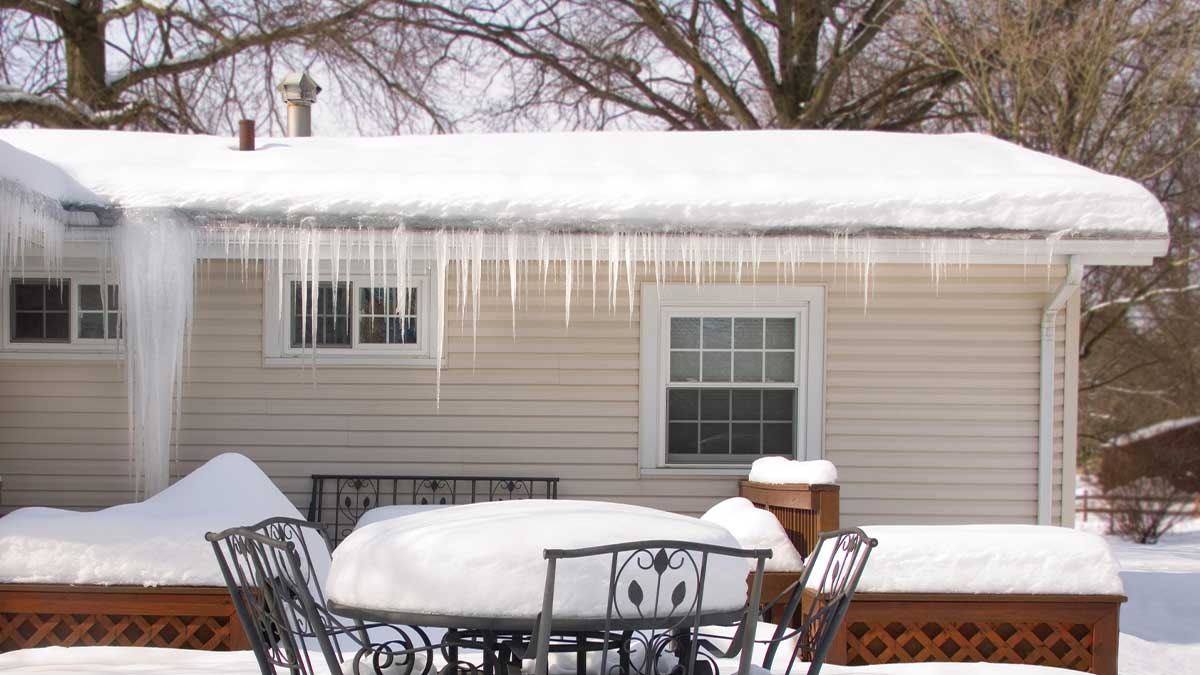
Large icicles over patios can cause injuries and property damage during winter. Using heated roof-edge outlets and water diverters can effectively prevent these hazards.
- Icicles form when heat escapes poorly insulated roofs, causing melting snow to refreeze. Moisture from inside the home contributes to ice formation.
- Heated outlets keep roof edges above freezing, reducing ice buildup and the risk of falling icicles. Water diverters redirect meltwater away from patios to prevent hazards.
- Regular inspections and maintenance of heating systems and diverters are essential for safety and to prolong their effectiveness.
The best way to prevent patio icicles during winter is by using heated roof-edge outlets and water diverters. These solutions help manage melting snow and ice, directing water away from patios and reducing the risk of falling ice, which can cause injuries and damage to outdoor spaces.
Large icicles hanging over patios pose serious winter hazards. Falling ice can injure people, damage furniture, and ruin outdoor living areas. Proper prevention using heated roof-edge outlets and water diverters keeps patios safe during snowy conditions.
Why Icicles Form Above Patios and Outdoor Spaces
Icicles develop when heat escapes poorly insulated roofs, melting snow that refreezes at colder edges. Moisture from inside the home—steam from showers or cooking—adds to ice formation.
Common causes:
- Heat escaping through uninsulated overhangs or cantilevered structures
- Warm indoor air is leaking through attic or wall gaps
- Roof edges below 32°F freezing meltwater
- Reflective sunlight accelerates ice buildup
Prevention tips:
- Improve roof and overhang insulation
- Seal attic and ceiling gaps
- Ensure proper ventilation to maintain a accelerates consistent roof temperature
Why Icicles Can Be Dangerous for Patio Areas
Icicles can grow 12–18 inches long and weigh several pounds. Falling ice is dangerous for both people and property.
Hazards include:
- Personal injury: Cuts, bruises, or serious trauma from falling ice
- Property damage: Broken patio furniture, cracked pavers, dented railings, and damaged glass doors
- Slips and falls: Ice forming on patios, walkways, or steps
Factors increasing risk:
- Temperature fluctuations loosen ice
- Vibrations from doors, footsteps, or wind gusts
- Roof sections with cantilevered overhangs
How Heated Outlets Help Prevent Icicle Buildup
Electric roof-edge heating systems stop icicles before they form by keeping roof edges slightly above freezing.
Benefits of heated outlets:
- Melt snow before it refreezes at the loose roof edges
- Reduce ice buildup on patios, walkways, and outdoor entryways
- Lower risk of icicle falls and property damage
Installation best practices:
- Follow National Electrical Code (NEC) Article 426 for outdoor deicing
- Use self-regulating or constant-wattage cables (6–12 watts per linear foot)
- Ensure GFCI protection on all outdoor circuits
- Check cables for wear or damage each season
- Only licensed electricians should install for safety
Using Water Diverters to Redirect Meltwater Safely
Water diverters guide melting snow and ice away from patios, decks, and other outdoor spaces, preventing icicle formation and ice hazards.
How diverters work:
- Installed under the roof edges and connected to the gutters
- Redirect water toward safe drainage zones like gravel beds, lawns, or engineered drains
- Adjustable valves handle varying meltwater volumes
Installation tips:
- Maintain at least 2% downward slope toward safe zones
- Use materials resistant to repeated freeze-thaw cycles
- Secure diverters with mounting brackets, connector pipes, and flow control valves
Maintenance checklist:
- Inspect diverters before winter for secure mounting
- Clear debris regularly to ensure unobstructed water flow
- Check valves for proper operation
Seasonal Inspection & Maintenance Tips
Regular inspections prevent dangerous icicles and maintain heating and diverter systems.
Key actions for homeowners:
- Inspect roof edges and heating cables early in winter
- Remove small icicles before they grow larger
- Check gutters and diverters for debris or blockages
- Monitor overhangs and cantilevered sections for ice buildup
Consistent winter maintenance reduces the risk of injury, protects patios, and prolongs the lifespan of roof and drainage systems.
The Pros & Cons of Painting Your Gutters: Expert Guide to Benefits, Drawbacks, Costs, and Long-Term Maintenance Considerations
Painting your gutters can be an effective way to enhance [...]
What Gutters Require the Lowest Maintenance? Best Options for Easy Care, Durability, and Long-Term Home Protection
Low-maintenance gutters are designed to reduce cleaning frequency, prevent debris [...]
Choosing the Best Gutter Shape for Your Home: Expert Guide to Styles, Performance, and Long-Term Water Protection
Selecting the right gutter shape is an important decision that [...]
How Long Do Copper Gutters Last? Lifespan, Durability Factors, and What Homeowners Should Expect Over Time
Copper gutters can last 50 to 100 years or more, [...]


