


Gutter Snow Loads: How Much Is Too Much? | Prevent Ice Dams, Damage & Winter Roof Hazards in Denver Homes & Businesses
Heavy winter snow and ice can significantly stress residential gutters, often exceeding their designed capacity. Understanding snow loads and implementing preventive measures can protect homes from costly damage.
- Standard gutters handle 30–50 pounds per linear foot, but snow and ice can exceed this limit. Ice dams can add 60–150 pounds per linear foot along roof edges. Regular inspections and timely snow removal are essential to prevent structural damage.
- Heavy winter snow and ice can put dangerous stress on residential gutters.
- Standard systems are designed to handle 30–50 pounds per linear foot, but icy conditions and snow accumulation often exceed this limit.
Gutter snow loads refer to the weight of accumulated snow and ice that gutters must support during winter. Standard gutters can typically handle 30–50 pounds per linear foot, but excessive snow can lead to damage. Understanding these loads helps homeowners prevent ice dams and costly repairs.
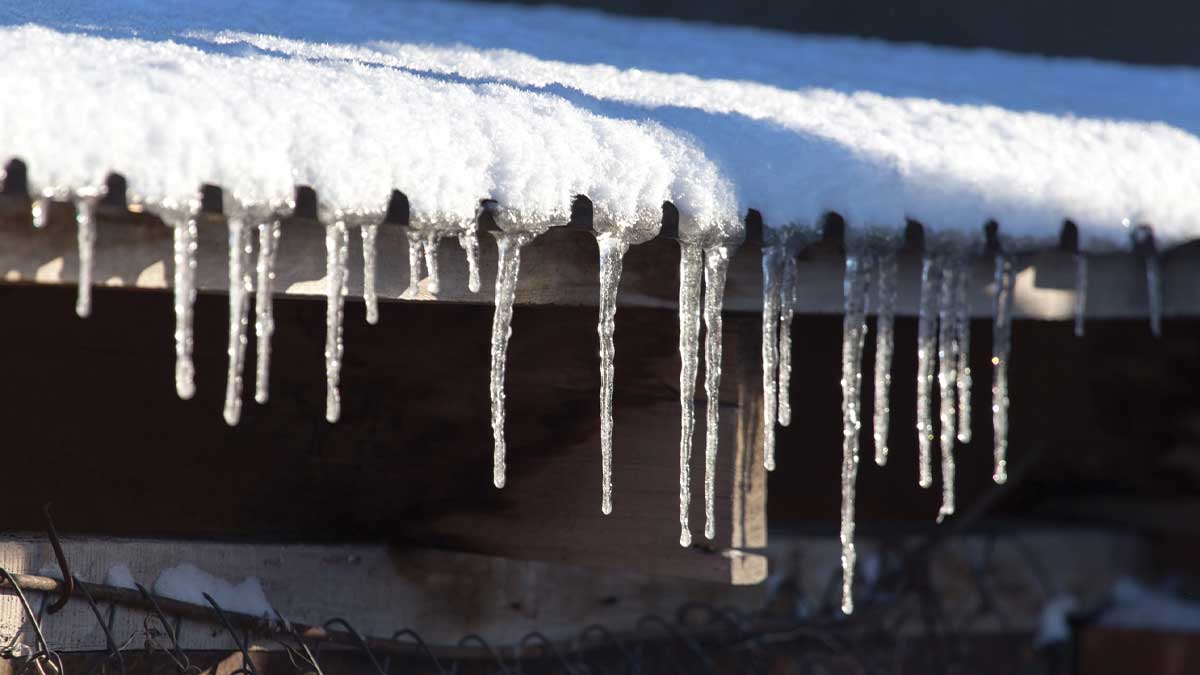
Heavy winter snow and ice can put dangerous stress on residential gutters. Standard systems are designed to handle 30–50 pounds per linear foot, but icy conditions and snow accumulation often exceed this limit. Understanding snow loads, ice dam pressure, and preventive measures can save your gutters—and your home—from costly damage.
How Snow Weight Affects Gutters and Roof Edges
Snow and ice are heavier than most homeowners realize, and their weight can quickly overload gutters.
Snow and Ice Weight Levels:
- Fresh Powder Snow: 3–8 lbs per cubic foot (5–10% moisture)
- Wet, Packed Snow: 15–20 lbs per cubic foot (higher moisture content)
- Solid Ice: 57 lbs per cubic foot, similar to concrete
Key Considerations:
- Snow sliding off the roof increases leverage on gutter brackets.
- Gutters are designed for rainwater—not heavy winter loads.
- Ice dams trap water and add 60–150 lbs per linear foot along roof edges.
Warning Signs of Dangerous Snow Loads
Recognizing damage early prevents gutter collapse and roof leaks. Look for:
- Sagging gutters over long sections
- Separated joints or cracks at seams
- Loose fasteners or popping sounds
- Large ice dams extending more than 3 feet
- Fascia boards are pulling away from the roof
- Interior water stains near the ceiling edges
Inspect gutters after heavy snowfall or freeze-thaw cycles to catch issues early.
How Ice Dams Increase Gutter Stress
Ice dams concentrate snow and water weight along roof edges, creating extreme pressure that standard gutters cannot handle.
Effects of Ice Dams:
- Fasteners: Screws and nails may pull loose under heavy loads.
- Seams: Gutter connections can split under stress.
- Hangers & Brackets: Support hardware may bend or fail.
Additional Risks:
- Ice overhanging gutters creates a cantilever effect, increasing force on mounts.
- Frequent temperature swings (20–35°F) worsen stress by expanding and contracting ice.
Schedule a professional inspection if ice dams exceed 6 inches thick or extend 12 inches from the roof edge.
Preventing Excessive Snow Loads on Gutters
Proactive measures protect gutters and your home from winter damage.
Key Strategies:
- Install Heat Cables: Keep roof edges above 32°F to prevent ice dams.
- Use Gutter Guards: Reduce snow buildup while allowing water flow.
- Design Steeper Roof Slopes: 6:12 pitch or higher, let snow slide naturally.
- Remove Snow Early: Use an aluminum roof rake when the depth reaches 12 inches.
- Optimize Downspout Spacing: Place downspouts every 30 feet or less for even water distribution.
- Regular Gutter Inspections: Check for sagging sections, loose brackets, and cracks.
Combine heat management, proper roof design, and timely snow removal for maximum gutter protection.
Why Winter Maintenance Matters
Winter conditions can overwhelm gutters quickly. Regular inspections and early snow management:
- Prevent structural damage to gutters, fascia, and roofs
- Reduce the risk of ice dam-related leaks
- Save money on costly repairs
- Ensure safety for your home and family
Wildfire Risk + Gutters: Why Insurers Are Incentivizing Debris-Free Eaves for Safer Homes
Wildfires often spread to homes through small ignition points rather [...]
The Right Gutter Pitch: The Simple Math Most Gutter Installations Get Wrong | Ensure Proper Drainage & Prevent Costly Water Damage
Proper gutter pitch is essential for moving rainwater away from [...]
Spring is the Best Time for Gutter Cleaning
Spring gutter cleaning is one of the most important seasonal [...]
Patio Icicles Hazard? Use a Heated Outlet & Diverter to a Safe Zone | Protect Your Denver Home from Ice Damage & Safety Risks
Large icicles hanging over patios pose serious winter hazards. Falling [...]


