


Snow Retention Systems: What Denver Builders Are Specifying in 2026
In 2026, Denver builders are adopting engineered snow retention systems that comply with national and local standards, enhancing public safety and structural integrity. These modern systems replace outdated designs, ensuring buildings can withstand heavy snow loads and meet fire code expectations.
- Engineered snow retention systems are essential for managing snow loads and preventing hazards. They are designed to handle specific weight capacities based on material type and roof design.
- Proper installation is critical, with fasteners needing to anchor securely to the roof structure to transfer snow weight effectively.
- Compliance with local building codes and safety regulations is mandatory, ensuring that every building is equipped to protect occupants and property from snow-related damage.
Snow retention systems used by Denver builders in 2026 are engineered solutions designed to meet national standards and local regulations. These systems enhance public safety by preventing snow accumulation on roofs, replacing outdated decorative brackets that cannot withstand heavy snow, and ensuring compliance with fire codes and structural guidelines.
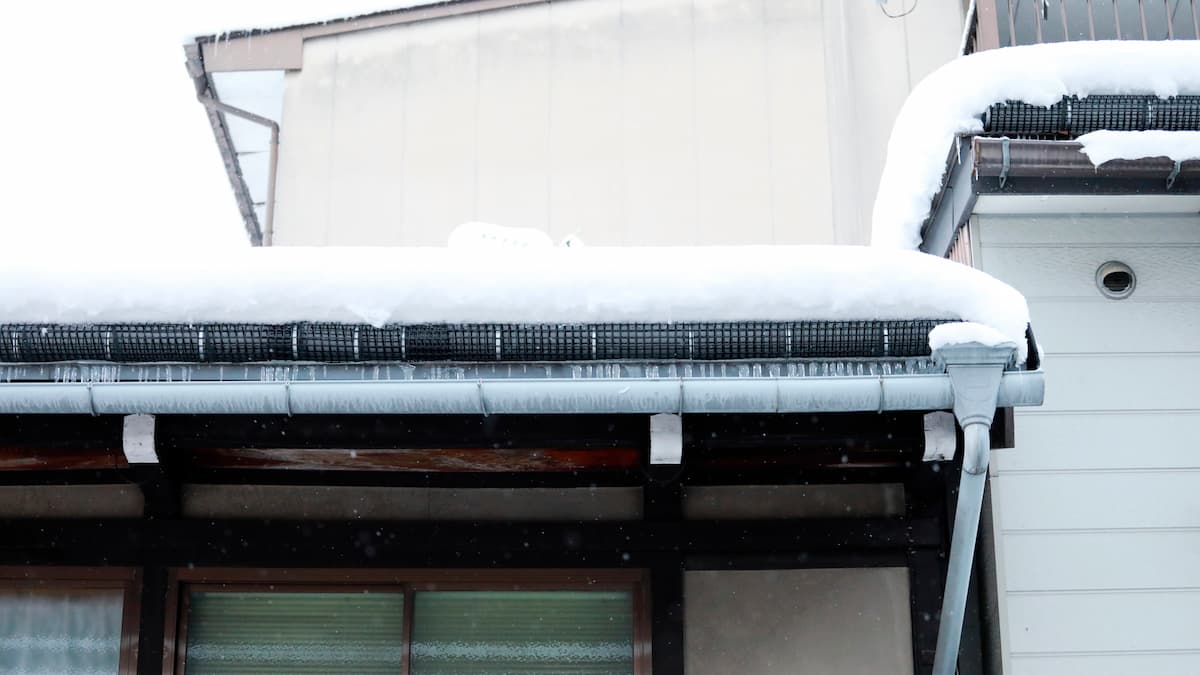
Denver builders in 2026 rely on engineered snow retention systems that align with national standards, local ordinance requirements, and construction practices shaped by the federal government. These systems play a role in public safety comparable to how government services and federal agencies set policies to protect communities. Modern retention barriers replace outdated decorative brackets that fail under Colorado’s heavy snow conditions, ensuring that every building—from a downtown campus to a mountain cabin—meets the expectations of today’s fire code and structural guidelines.
Material strength determines how well a retention system performs when the snowpack begins to shift downslope. Polycarbonate guards manage moderate loads between 75 and 150 pounds per square foot, while aluminum fence-style systems handle 200 to 400 pounds per square foot. The strongest designs, continuous bar assemblies, carry 300 to 600 pounds per square foot and offer a dependable solution for buildings exposed to long winters. Selecting the right system becomes as important as choosing reliable healthcare providers for long-term protection—failure in either area can lead to costly damage or unexpected emergencies.
Denver’s regional requirements follow engineering calculations based on local climate patterns. ASCE 7-16 standards guide builders through snow load and wind-speed measurements specific to the Front Range. These calculations reflect a 30-pound-per-square-foot ground snow load and wind speeds reaching 115 mph, numbers that match the real conditions builders manage year after year. The consistency in these standards mirrors how the federal government develops policies intended to reduce risk and support public safety across the country.
Successful installation depends on correctly matching the system to the roof’s pitch, metal panel shape, and expected snow accumulation. Fasteners must anchor directly into the roof decking, rafters, or purlins so snow weight transfers safely into the structural frame rather than pulling against the metal panels. When this connection path is correct, the retention system becomes part of the structure instead of a surface add-on, reducing the chance of wall damage, roof leaks, or the need for emergency repair during the winter months.
Before any building passes inspection, code officials evaluate how the system is attached and whether it meets load requirements. Their role functions much like a safety checkpoint before the start of a trip, ensuring that every detail aligns with established rules. Once approved, the system shields occupants and property from roof avalanches that can crush landscaping, dent vehicles, or damage lower rooflines. This level of protection supports long-term building performance and reinforces Denver’s commitment to safe, resilient construction practices.
Why Modern Roof Designs Require Engineered Snow Retention
Modern building designs rely on steeper roof slopes, smooth metal panels, and increasingly slick roofing materials, all of which change how snow forms, shifts, and releases from the roof surface. These design choices improve energy efficiency and aesthetics, but they also create faster-moving snow slides that can break free without warning. When a roof lacks a properly engineered snow retention system, entire sheets of snow and ice can release in a single event, turning a routine winter day into a serious safety hazard.
The threats are not theoretical. A sliding snow mass can strike with more than 1,200 pounds per linear foot, enough force to crush landscaping, smash parked vehicles, tear gutters from the roofline, and cause severe injury to anyone standing below. Property owners can be held liable for injuries and damage when preventable snow slides occur, which makes proper snow management not only a safety priority but a legal obligation.
Building codes in snowy climates reflect these realities. Regions with frequent snowstorms require engineered retention systems that match each building’s roof angle, surface friction, and historical snowfall levels. In the Denver area, regulations call for retention designs capable of handling 30 pounds per square foot of snow load. Decorative brackets or basic add-ons do not meet these structural demands, and relying on them can lead to catastrophic failure during peak winter conditions.
Engineered snow retention systems must manage a range of forces over their service life. Point loads place concentrated weight at each attachment location, while distributed loads spread across an entire assembly. Temperature swings from -20°F winters to 140°F roof-surface temperatures in summer cause expansion and contraction that test the durability of every component. Only systems designed for long-term structural performance can withstand decades of seasonal stress cycles.
Creating a safe, code-compliant system requires collaboration. Architects set the roof’s design and slope, structural engineers calculate live loads based on snow density and roof geometry, and snow guard manufacturers supply materials backed by laboratory testing. Independent organizations verify product performance through standards such as ASTM E1514 and ICC-ES evaluation reports. These combined efforts ensure the final installation performs reliably under real-world conditions.
The mission remains straightforward: protect people, preserve property, and meet legal and structural requirements. Achieving that goal depends on engineered solutions built on calculations, documented performance, and proven reliability—not guesswork or outdated components.
Types of Snow Guard Materials
- Polycarbonate snow guards
Designed to resist UV exposure and install with minimal roof penetration, these guards rely heavily on correct attachment methods. Their performance depends more on adhesive quality and bonding strength than on the plastic material itself. When overloaded, failures typically occur at the mounting point—not in the guard body.
- Aluminum fence systems
Offering high structural strength without adding much weight, aluminum systems work well with metal roofing because the materials expand and contract at similar rates. This compatibility prevents loosening or separation at mounting points during temperature swings, making them reliable in freeze-thaw climates.
- Continuous bar assemblies
These systems distribute snow loads across long bar sections connected to multiple brackets. By spreading force instead of concentrating it at a few points, continuous bars prevent localized stress failures and are ideal for large roof planes or commercial structures.
Load Capacity by Material Type
- Polycarbonate pads: Support 75–150 pounds per square foot and typically mount with adhesives to avoid roof penetrations.
- Aluminum fence systems: Support 200–400 pounds per square foot and use through-fastened bolts with sealed washers for watertight performance.
- Continuous bar assemblies: Support 300–600 pounds per square foot, with engineered cleat spacing that ensures uniform load distribution across the entire system.
Attachment Requirements
- The roof substrate—whether plywood, OSB, or metal decking—controls which fasteners are used and how closely they are spaced.
- Fasteners must resist horizontal shear forces created when snow slabs begin to move downslope.
- All attachment strength must exceed the engineered snow load by the safety factors required in ICC-ES evaluation reports, which confirm that each product meets structural testing standards and performs reliably in real-world conditions.
These systems work together to prevent sudden snow slides, protect building occupants, and meet the structural safety rules outlined in modern building codes.
Load Calculations for Front Range Snow and Wind Events
Engineers calculate structural loads by starting with ASCE 7-16 Table 7.2-1, which sets Denver’s ground snow load at 30 pounds per square foot before roof pitch adjustments are applied. Front Range construction requires planning for drifting patterns, uneven accumulation zones, and the added pressure created when sliding snow impacts retention devices. Structural designers apply importance factors ranging from 0.8 to 1.2 under IBC Section 1604.5, depending on the building’s occupancy type. Wind load calculations use Denver’s basic 115-mph wind speed for Risk Category II structures, with adjustments made for elevation and surrounding terrain such as open plains, urban density, or mixed exposure conditions. Because roofs must withstand snow weight and wind pressure at the same time, Denver’s energy code requires engineers to document how loads travel from snow retention systems through the roof panels, into the supporting beams, and finally into the main structural frame. Each connection point must show adequate strength and material capacity before installation approval is granted. Ground snow load represents the weight measured at ground level. Risk Category II covers standard-use buildings with moderate occupancy, exposure adjustments refine wind data based on terrain roughness, load transfer mechanisms describe how forces move through structural components, and snow retention devices prevent roof avalanches that can damage property and endanger occupants.
Installation Standards: Denver Builders Are Moving Toward
Denver’s construction industry relies on ASTM E2680 testing protocols and manufacturer installation manuals to ensure snow retention systems perform safely under extreme winter conditions. These documents define connection capacities ranging from 150 to 400 pounds per linear foot, depending on the material type and roof design. The city’s Community Planning and Development department requires builders to demonstrate compliance with building codes, fire safety regulations, and snow load requirements during permit reviews. Structural attachment verification ensures licensed engineers confirm the roof framing can handle the specified loads. Fastener spacing protocols dictate that continuous snow retention systems use 24-inch spacing, while individual snow guards are installed at 16-inch intervals to evenly distribute forces. Thermal bridge mitigation through standoff brackets prevents heat loss at mounting points, reducing the risk of ice dams where devices attach to the roof. Roofing contractors, structural engineers, and code officials collaborate to create these installation standards, tailoring each system to Colorado Front Range weather conditions, where heavy snow and wind stress are common. Licensed professionals verify that every installation meets both local building codes and manufacturer specifications, providing safe, long-lasting protection for Denver homes and commercial buildings.
Spring is the Best Time for Gutter Cleaning
Spring gutter cleaning is one of the most important seasonal [...]
Patio Icicles Hazard? Use a Heated Outlet & Diverter to a Safe Zone | Protect Your Denver Home from Ice Damage & Safety Risks
Large icicles hanging over patios pose serious winter hazards. Falling [...]
Gutter Snow Loads: How Much Is Too Much? | Prevent Ice Dams, Damage & Winter Roof Hazards in Denver Homes & Businesses
Heavy winter snow and ice can put dangerous stress on [...]
Snow Retention Systems: What Denver Builders Are Specifying in 2026
Denver builders in 2026 rely on engineered snow retention systems [...]


