


Wildfire Risk + Gutters: Why Insurers Are Incentivizing Debris-Free Eaves for Safer Homes
Wildfire risks often stem from small ignition points, particularly in debris-filled gutters. Insurance companies are now incentivizing homeowners to maintain clean gutters to lower premiums and improve insurability in fire-prone areas.
- Gutters filled with dry leaves and debris can ignite quickly from wind-blown embers. Insurance providers assess gutter maintenance when evaluating wildfire risk for homes.
- Homes with clean gutters may qualify for premium reductions and better policy options. Regular gutter cleaning is essential to prevent accumulation of flammable materials.
- Ember-resistant gutter guards can further reduce debris buildup and may lead to additional insurance discounts for homeowners.
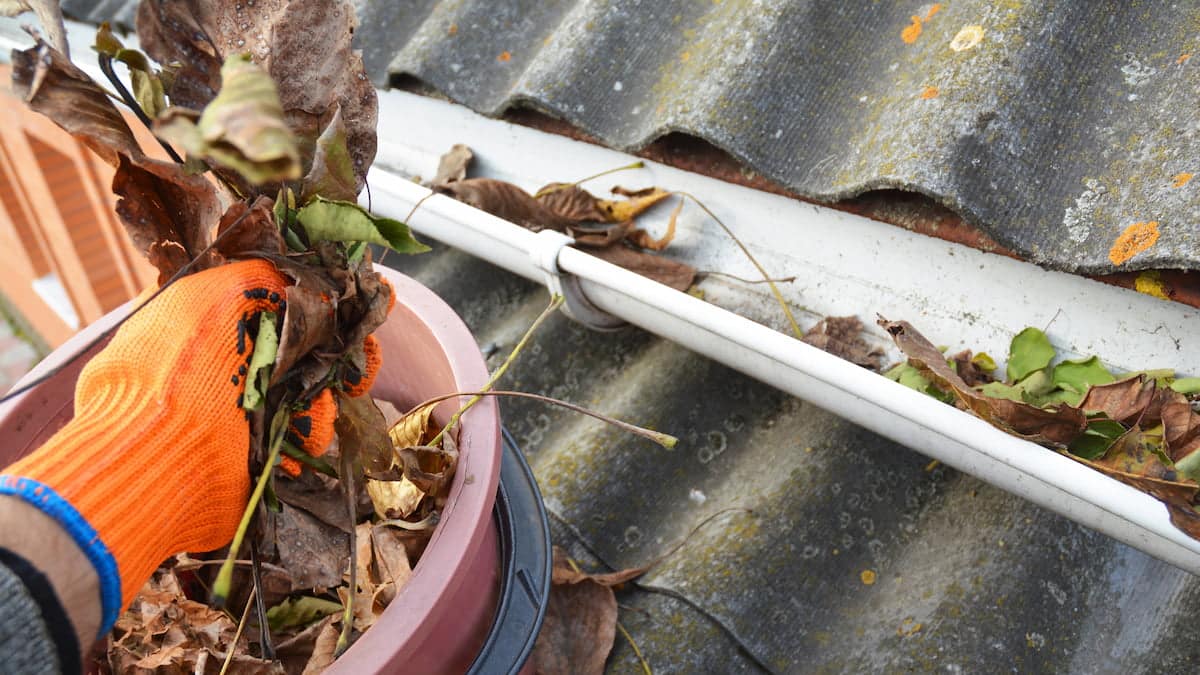
Wildfires often spread to homes through small ignition points rather than direct flames. One of the most common weak points is the gutter system. Gutters filled with dry leaves, pine needles, and organic debris create ideal fuel for wind-blown embers.
During wildfire events, embers can travel more than one mile ahead of the main fire front. When these embers land in debris-filled gutters, ignition can occur in less than 90 seconds.
Because of this risk, insurance companies now evaluate gutter maintenance and debris levels when assessing wildfire exposure. Homes with clean, debris-free gutters often qualify for lower premiums and improved insurability in wildfire-prone regions.
Why Gutters and Eaves Are Vulnerable During Wildfires
Gutters and roof eaves are natural collection points for dry plant material. Over time, leaves, pine needles, and bark fragments accumulate inside the gutter channel.
This debris becomes a continuous fuel bed that burns quickly when exposed to embers.
Several factors increase wildfire risk around gutters:
- gutters trap dry organic material that ignites easily
- embers settle inside the gutter channel during windstorms
- heat concentrates where the fascia board meets the roof edge
- flames can spread directly into the roof decking and attic spaces
Laboratory tests show that debris inside gutters can ignite at temperatures around 300°C (572°F). Once flames start, heat can rise rapidly along the roofline and ignite nearby materials.
Because gutters sit directly next to the roof edge, even small fires can quickly spread into structural components.
How Insurance Companies Are Addressing Wildfire Risk
Wildfire research shows that 90% of homes ignite from ember showers rather than direct flames. Strong winds and land on roofs, decks, and gutters carry these embers.
When embers fall into gutters filled with dry debris, they create several ignition risks:
- dry leaves and pine needles ignite quickly
- embers remain trapped inside the gutter channel
- flames spread along accumulated organic material
- fire transfers to fascia boards and roof edges
Scientific studies indicate that ignition can occur in under 90 seconds when embers contact dry debris.
Once burning begins, flames can spread upward toward the roofing materials and downward into the gutter system.
This chain reaction makes clogged gutters one of the most dangerous wildfire ignition points on residential buildings.
How Insurance Companies Evaluate Gutter Fire Risk
Insurance providers increasingly analyze wildfire exposure and structural vulnerability when issuing policies in fire-prone regions.
Gutter maintenance now plays a role in these evaluations because debris-filled gutters significantly increase ignition risk.
Insurance inspections often include:
- checking gutters for leaves and pine needle
- verifying that downspouts drain properly
- documenting debris accumulation near roof edges
- evaluating gutter guard installations
Properties with poorly maintained gutters may experience:
- premium increases of 15–40 percent
- stricter inspection requirements
- limited policy options in wildfire zones
Homeowners who maintain debris-free gutters can often qualify for:
- premium reductions of 8–12 percent
- improved wildfire risk ratings
- easier policy approval in high-risk regions
Some insurers also recognize certified ember-resistant gutter guard systems as additional wildfire protection.
The Role of Gutter Maintenance in Wildfire Prevention
Keeping gutters clear of debris is one of the simplest ways to reduce wildfire ignition risk around homes.
Regular gutter maintenance removes the fuel that embers need to start fires.
Recommended wildfire prevention practices include:
- cleaning gutters at least three to four times per year
- removing pine needles, leaves, and roof debris
- checking downspouts for proper drainage
- inspecting gutter joints and corners where debris collects
Many homeowners also install ember-resistant gutter guards to reduce debris buildup.
These guards typically feature:
- stainless steel or aluminum mesh construction
- openings around 1/16 to 1/8 inch
- non-combustible materials that resist heat
Quality gutter guards can block 85–95 percent of debris accumulation, reducing the chance of ember ignition during wildfire events.
Ember-Resistant Gutter Guards and Fire Protection
Modern gutter protection systems help prevent debris from collecting while allowing rainwater to drain normally.
Ember-resistant designs provide several wildfire safety benefits:
- prevent leaves and pine needles from accumulating
- reduce ignition fuel near the roof edge
- block embers from entering the gutter channel
- maintain proper drainage during storms
Some insurance companies recognize these systems as part of home hardening strategies.
When installed properly, ember-resistant gutter guards may qualify homeowners for additional insurance discounts of 3–5 percent.
Additional Home Hardening Steps That Support Insurance Requirements
Gutter maintenance works best when combined with other wildfire protection upgrades.
Insurance companies often evaluate the entire structure when calculating wildfire risk.
Fire-Resistant Roofing
A Class A fire-rated roof provides the highest level of wildfire protection.
These materials resist flame spread and prevent ember penetration into roof assemblies.
Ember-Resistant Vents
Attic and foundation vents allow airflow but can also allow embers inside.
Ember-resistant vents help protect homes by:
- blocking burning debris from entering
- reducing attic ignition risk
- improving wildfire safety ratings
Non-Combustible Exterior Materials
Certain siding materials reduce fire spread along exterior walls.
Examples include:
- fiber-cement siding
- stucco surfaces
- metal cladding systems
These materials resist flames and radiant heat during wildfire exposure.
Defensible Space Around the Home
Wildfire safety guidelines recommend clearing vegetation around structures.
Typical defensible space recommendations include:
- removing flammable vegetation within 30 feet of the home
- trimming tree branches away from roofs
- maintaining clear zones up to 100 feet in high-risk areas
Reducing vegetation helps slow wildfire spread and protects buildings from radiant heat.
Why Debris-Free Gutters Reduce Wildfire Damage
Wildfires rarely ignite homes through large flames alone. Instead, small ignition sources such as embers start fires in vulnerable areas of a structure.
Gutters filled with dry debris create an ideal environment for these ignitions.
Maintaining clean, debris-free gutters helps:
- eliminate combustible fuel near the roof
- reduce ember ignition points
- protect fascia boards and roof edges
- improve wildfire resistance of the entire structure
Because this maintenance step directly reduces fire risk, insurers increasingly encourage homeowners to keep gutters clear and properly maintained.
Wildfire Risk + Gutters: Why Insurers Are Incentivizing Debris-Free Eaves for Safer Homes
Wildfires often spread to homes through small ignition points rather [...]
The Right Gutter Pitch: The Simple Math Most Gutter Installations Get Wrong | Ensure Proper Drainage & Prevent Costly Water Damage
Proper gutter pitch is essential for moving rainwater away from [...]
Spring is the Best Time for Gutter Cleaning
Spring gutter cleaning is one of the most important seasonal [...]
Patio Icicles Hazard? Use a Heated Outlet & Diverter to a Safe Zone | Protect Your Denver Home from Ice Damage & Safety Risks
Large icicles hanging over patios pose serious winter hazards. Falling [...]


