


Securing Your Home Against Winter Leaks
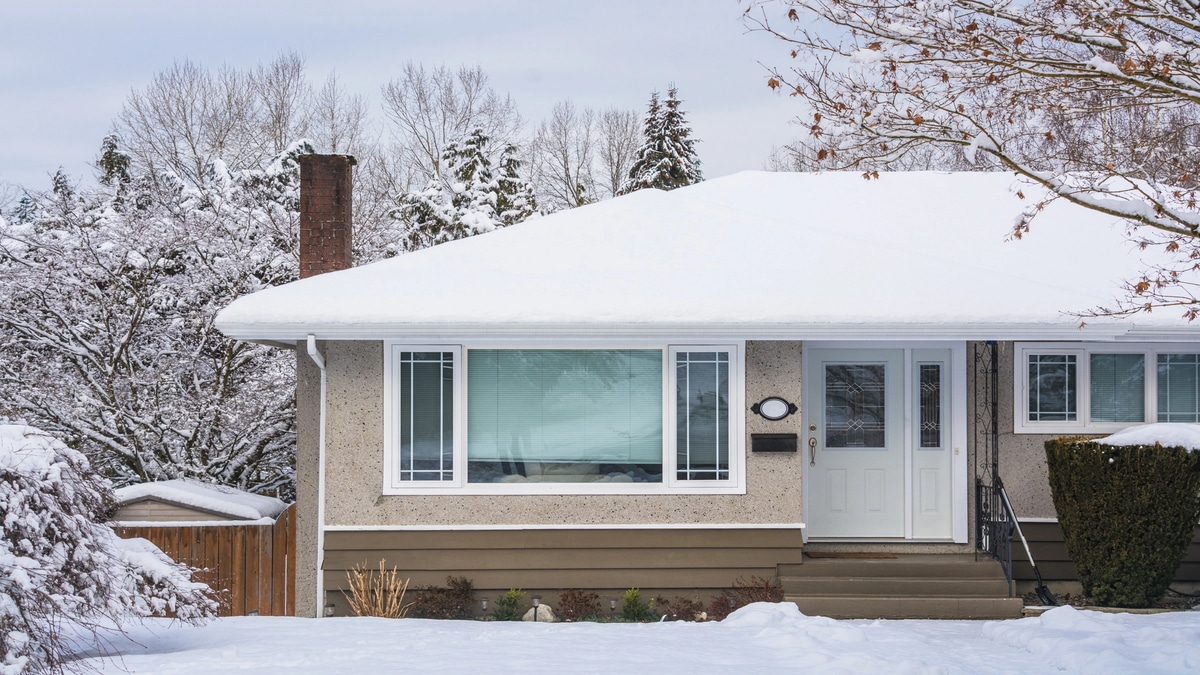
Preparing your home for winter means making sure every system—from the roof to the plumbing—works together to prevent leaks and heat loss. Start by inspecting the mains and shut-off valves to ensure you can quickly turn off the water supply in an emergency. Check the water heater for sediment buildup or rust around the base, as these signs can indicate inefficiency or impending failure. Inspect all faucets for slow drips that could freeze and burst pipes during cold nights.
On the roof, look closely at the shingles to ensure they are secure and in good condition. Loose or missing shingles allow melting snow to seep underneath, creating leaks that travel into attic insulation and ceilings. Gutters and gutter downspouts should stay clear of leaves and ice buildup so that water drains away from the foundation instead of pooling near the walls.
Inside the home, focus on maintaining reliable heat sources. Make sure the furnace runs smoothly and that filters are clean for maximum airflow. Backup systems like wood stoves or generators provide extra protection during power outages when heating systems stop working. Upgrading to a smart thermostat improves comfort and efficiency by learning your schedule and adjusting temperatures automatically to conserve energy while keeping your home warm.
By keeping these systems in top shape before freezing temperatures arrive, you protect your home from water damage, frozen pipes, and unexpected breakdowns. Each detail—from inspecting the roof to testing the water heater—plays a crucial role in keeping your home dry, efficient, and comfortable throughout the winter season.
Identify Vulnerable Areas Before Freezing Temps Hit
Before winter sets in, every homeowner should make sure essential safety and comfort systems are ready for cold weather. Start with the water shut-off valve—knowing exactly where it is and ensuring it turns smoothly can save your home from flooding if a pipe bursts. Test it before freezing temperatures arrive to make sure it closes completely.
Inspect fireplaces for soot buildup, cracks, or obstructions that can cause smoke to back up inside. Clean the chimney and check that the damper opens and closes easily. If your home relies on wood heat, store dry firewood in a covered area away from the house. When lighting fires, use a ceiling fan on its reverse setting to push warm air down and circulate heat evenly through the room.
Cold drafts often sneak through windows and door frames, but fresh weather stripping seals those gaps and improves energy efficiency. If condensation or frost forms on interior windows, a simple hair dryer can help thaw frozen sections without damaging the glass.
Outdoor safety also matters during winter. Keep snow shovels near entryways and clear walkways regularly to prevent ice buildup. Inside, make sure carbon monoxide detectors work properly, especially in homes with fireplaces, furnaces, or gas-powered appliances. These detectors save lives by alerting you to invisible, odorless gas leaks.
As daylight hours shorten, motion sensors and home security systems become even more valuable. Proper lighting deters intruders, while connected security systems notify you of unusual activity or temperature drops when you’re away.
A well-prepared home doesn’t just stay warm—it stays safe. Checking these systems before severe weather begins helps you prevent emergencies, reduce heating costs, and protect your family all season long.
Improve Insulation & Ventilation for Leak Prevention
Proper attic insulation plays a crucial role in home energy efficiency and moisture control. When insulation levels fall below code standards, warm indoor air escapes into the attic and creates temperature differences that trigger condensation. This process, known as convection, transfers heat from the living space to colder roof surfaces. As warm air meets cold materials, water droplets form and soak into wood, insulation, and drywall, eventually leading to mildew growth and rot.
In homes with central heating systems such as a boiler or furnace, even small heat leaks into the attic can raise surface temperatures enough to melt rooftop snow. When this melted snow refreezes at the roof edges, ice dams form and trap more moisture beneath shingles. The result is water backing up under roofing layers and dripping into ceilings. Repeated freezing and thawing also expand tiny cracks in roofing materials, accelerating long-term damage.
Attic ventilation and insulation must work together to manage both temperature and humidity. Ridge and soffit vents allow cool outdoor air to enter and warm, moist air to exit naturally, preventing trapped moisture that can lead to mildew or wood decay. However, these systems only perform correctly when insulation remains evenly distributed and air passages stay clear of blockage.
Plumbing penetrations running through attics, especially those serving upstairs bathrooms, create additional risks for condensation and pipe leaks. Insulating these lines and sealing gaps around them stops warm indoor air from entering cold attic cavities. Any air leaks near vents or recessed lights should be sealed with foam or caulk to maintain the building’s thermal barrier.
When a strong winter storm hits, the entire roof system comes under stress from snow accumulation, wind pressure, and fluctuating temperatures. A well-insulated and ventilated attic helps stabilize these conditions, protecting your home’s structure and reducing the strain on the heating system. Keeping insulation dry and air circulation consistent ensures your home stays energy efficient, moisture-free, and ready to withstand harsh weather season after season.
Gutter & Downspout Maintenance to Direct Water Safely
A properly functioning gutter system protects your home from costly water damage by directing rainwater and melting snow safely away from your roof and foundation. When gutters operate as intended, they prevent soil erosion, basement flooding, and structural shifting that occurs when excess water seeps into the ground around your home. Seasonal maintenance remains essential—cleaning your gutters twice a year, ideally in spring and fall, helps remove leaves, twigs, and visible debris that block water flow before freezing temperatures and storms arrive.
Inspect the entire gutter system carefully, including the brackets securing it to your fascia, the joints connecting each section, and the end caps that seal off openings. Even one loose connection or damaged bracket can cause water to spill over and run down walls, leading to staining, rotted siding, or weakened foundations. Downspouts should extend a minimum of four feet from the base of your home to ensure proper water drainage. The surrounding soil needs a slope of about six inches for every ten feet, so runoff moves away instead of pooling near the foundation.
Installing gutter guards built to ASTM D6364 standards helps minimize cleaning while maintaining consistent water flow. These guards block larger debris while allowing rainfall to move freely through the gutter outlet and down the downspout. Proper installation also requires a slight pitch—about one-quarter inch of downward slope for every ten feet of gutter—to keep water moving toward the downspouts and stop standing water from freezing or corroding metal sections.
Ice dams forming along roof edges often indicate attic insulation or ventilation issues. When trapped heat from inside your home melts snow unevenly, it refreezes at the roof’s edge, creating blockages that force water under shingles. The result is leaks that damage ceilings, drywall, and insulation. A professional roofing or gutter inspection can pinpoint the root cause and recommend long-term solutions.
Sizing your gutters correctly is another crucial factor in protecting your property. Contractors calculate ideal gutter capacity using your roof’s total square footage, local rainfall intensity, and drainage layout. Undersized gutters simply cannot manage the water volume from large roofs, especially during heavy downpours. Working with certified professionals ensures your system meets engineering standards, handles all weather conditions, and continues protecting your home season after season.
Professional Repairs for Long-Term Winter Protection
Problems found during pre-winter inspections require fast, reliable solutions from licensed contractors who understand how to keep homes dry and structurally sound. A qualified plumber handles broken pipes, adds insulation to exposed water lines, and improves drainage systems that often fail when temperatures drop below freezing. Roof specialists repair leaks, replace worn shingles, and properly seal roof layers to prevent water infiltration. Every repair must follow manufacturer specifications and local building codes to ensure long-term protection.
Professional services typically include:
- Heat-sensing camera inspections to detect hidden water leaks, insulation gaps, and air loss before they cause serious damage.
- Ice dam prevention systems using roof heating cables and enhanced attic ventilation to stop snowmelt from refreezing at roof edges.
- Foundation waterproofing applications that use advanced protective barriers meeting industry standards for moisture resistance and durability.
- Window and door sealing upgrades with high-performance weatherstripping products designed to hold up in both extreme cold and heat.
These targeted services protect your home from seasonal water damage, structural weakening, and mold formation. Licensed professionals use industry-proven materials and techniques to block moisture at its source—whether through roof joints, wall cracks, or foundation seams.
Properly selected materials also match your region’s climate conditions. For homes in colder zones, that means flexible sealants, insulated barriers, and reinforced flashing systems that resist expansion and contraction cycles. Certified contractors evaluate each weak point in your home’s exterior and apply customized solutions to stop water intrusion during storms and spring thaws.
Beyond immediate repairs, reputable contractors provide warranty-backed work and follow strict safety standards. Scheduled maintenance checks throughout the year verify that each system—from insulation to drainage—continues performing as intended. This proactive approach prevents costly emergencies and keeps your home’s weather defenses strong through multiple winter seasons.
The Best Ways to Extend the Life of Your Gutters: Expert Maintenance Tips to Prevent Damage and Maximize Durability
Your gutter system protects your roof, siding, foundation, and landscaping [...]
Clogged Downspout: Common Causes, How to Unclog It Safely, and Tips to Prevent Future Blockages
A clogged downspout prevents rainwater from flowing away from your [...]
Top Five Things to Consider When Shopping for Gutters: Expert Guide to Materials, Sizing, Durability, and Long-Term Performance
Shopping for new gutters is an important investment in your [...]
The Pros & Cons of Painting Your Gutters: Expert Guide to Benefits, Drawbacks, Costs, and Long-Term Maintenance Considerations
Painting your gutters can be an effective way to enhance [...]


