


Are 7-Inch Residential Gutters the Next Big Trend in Home Protection?
The article discusses the advantages of 7-inch residential gutters, emphasizing their capacity to handle more water and prevent damage to homes. These gutters are particularly beneficial in regions with heavy rainfall or steep rooflines, offering improved water management and reduced maintenance.
- Seven-inch gutters can manage up to 40% more water than standard five-inch systems, preventing overflow and erosion.
- Professional installation is crucial for ensuring proper alignment and sizing of downspouts to maintain efficient water flow.
- Investing in larger gutters may have a higher upfront cost, but they provide long-term savings by reducing maintenance and protecting the home from water damage.
7-inch residential gutters offer significant advantages by managing up to 40% more water than standard five-inch gutters. They are particularly beneficial for homes with steep rooflines or large surface areas, as they help prevent overflow, which can lead to soil erosion, foundation damage, and staining of exterior walls.
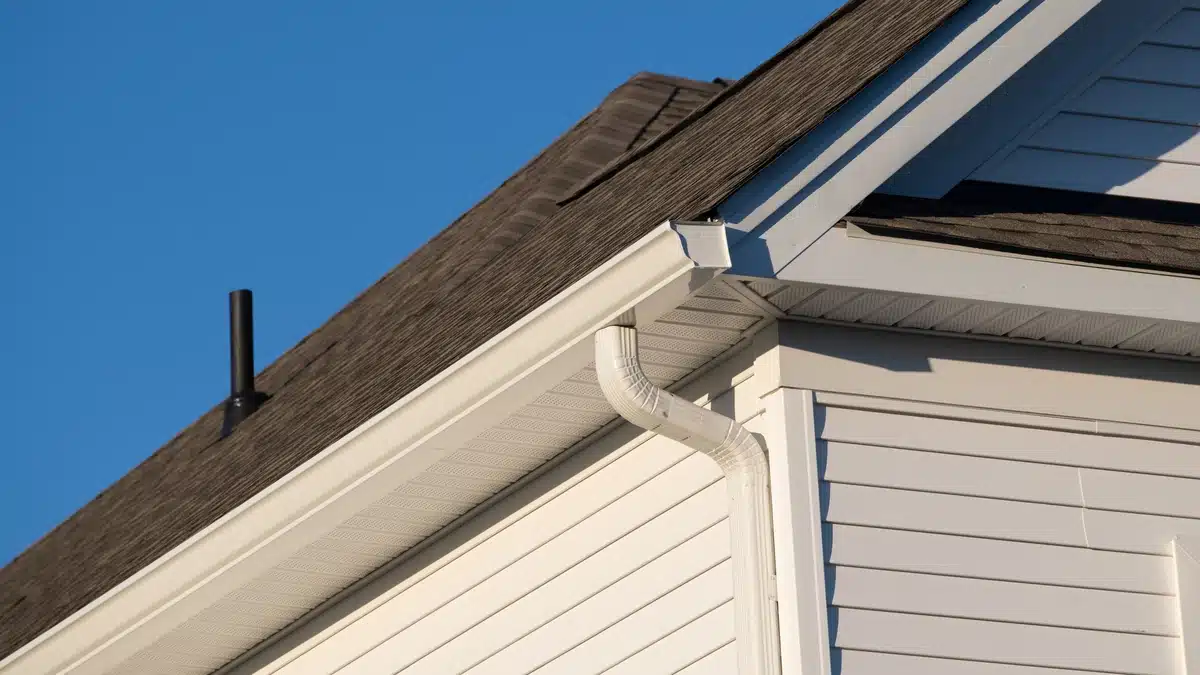
Choosing the right gutter system plays a crucial role in protecting your home from long-term water damage. A high-performance setup includes durable gutter guards, properly sized channels, and a design suited for your region’s climate and roof structure. Seven-inch seamless gutters handle up to 40% more water than standard five-inch versions, making them ideal for homes with steep rooflines, expansive surface areas, or locations that experience frequent heavy rainfall. This wider capacity improves water management by preventing overflow that can erode soil, damage foundations, or stain exterior walls.
Professional installation ensures proper slope alignment, hanger spacing, and downspout sizing to handle large water volumes. Installers often recommend downspouts with 3×4-inch or 4×5-inch openings to maintain smooth flow from roof valleys. The difference in material and labor costs—typically $4 to $8 per linear foot for standard gutters and $8 to $15 for seven-inch systems—reflects the improved performance and durability that wider models deliver. Many homeowners see this as a worthwhile investment because seamless gutters reduce leaks, minimize maintenance, and offer a cleaner appearance compared to sectional gutters with multiple joints.
Different styles suit different architectural needs. A half-round gutter provides a traditional curved profile that complements older or classic home designs, while modern seamless systems blend seamlessly into contemporary exteriors. Both can be paired with a variety of materials, including aluminum, copper, or galvanized steel, depending on your preferred look and maintenance level. Gutter guards further enhance performance by preventing debris buildup, which reduces cleaning frequency and keeps water flowing freely during seasonal shifts in temperatures.
Effective gutter design starts with understanding local rainfall patterns and building codes. Licensed contractors assess roof pitch, valley concentration points, and drainage paths to ensure the chosen system meets regional standards. By combining durable materials, advanced water management features, and professional installation, homeowners can protect their property year-round from runoff and moisture-related structural issues.
The Case for 7-Inch Gutters: Bigger Capacity, Better Protection
Proper gutter installation plays a major role in protecting residential homes from rainwater damage. The choice between standard and larger gutter sizes affects how efficiently your water management systems perform during seasonal weather changes. In regions with high rainfall intensity, standard 5-inch rain gutters may struggle to handle large volumes of water, leading to overflow, soil erosion, and potential foundation issues. Upgrading to a 7-inch system can solve these problems by increasing capacity by about 40%, allowing smoother drainage during heavy storms in spring or throughout the year.
The success of this upgrade depends on structural adjustments during installation. Professional installers calculate the total drainage area of the roof and adjust hanger spacing to 24 inches apart instead of the usual 36. This closer spacing supports the additional weight that comes when gutters fill during extreme weather. The use of durable screws rather than simple nails provides a stronger, longer-lasting attachment to fascia boards, ensuring stability even when the system carries large amounts of rainwater.
To complement wider gutters, the downspouts must be correctly sized. Standard 2×3-inch outlets are too small for 7-inch rain gutters, which require 3×4-inch or even 4×5-inch downspouts to prevent bottlenecks and maintain smooth water flow. This matching ensures the entire system—from collection at the roof edge to ground-level discharge—operates efficiently under pressure. When combined with proper slope alignment and securely sealed joints, these systems prevent leaks, minimize maintenance, and extend the lifespan of your property’s exterior.
Investing in the right water management systems not only protects your home’s foundation and landscaping but also preserves curb appeal and structural integrity over time. The right gutter installation, matched with correct gutter sizes and precise drainage calculations, delivers reliable protection and peace of mind through every storm season.
Design Compatibility: Modern Rooflines and Metal Finishes
The structural needs of 7-inch gutters align perfectly with today’s modern home architecture, where strong lines, steep roof pitches, and bold design features define residential construction. Larger gutter systems not only enhance water-handling performance but also visually complement the proportions of contemporary homes. Aluminum gutters in this size range deliver both function and style, blending durability with aesthetic appeal that fits the modern landscape of home design.
Metal finish options that work together:
- Kynar 500 paint coatings retain their color for up to 30 years, offering long-term protection and beauty on outdoor aluminum surfaces.
- Powder-coated finishes pair seamlessly with metal roofing panels, especially those featuring raised seams common in minimalist or industrial-style homes.
- Plain aluminum surfaces are ideal for homeowners who want custom paint colors applied during setup, allowing full design flexibility.
- Galvalume-style finishes coordinate easily with mixed exterior materials such as steel, stone, and composite siding.
- Architectural bronze and copper-colored treatments elevate the look of high-end residential projects, adding timeless sophistication.
Installation professionals appreciate how these gutter systems integrate with larger trim boards—typically 2×8 inches or more—common in today’s builds. The 7-inch gutter profile accommodates concealed bracket systems, providing structural integrity without disrupting the home’s sleek, clean lines when viewed from the ground.
Key design relationships:
- Gutter width proportions complement steep roof angles, particularly pitches of 6:12 and above, ensuring proper scale and balance.
- Fascia board dimensions support structural load requirements, preventing sagging and ensuring consistent water flow.
- Color finish durability standards align with architectural warranties for roofing and siding, ensuring cohesive performance across all exterior materials.
- Profile depth integrates with building envelope specifications, maintaining correct drainage performance under heavy rainfall conditions.
- Material compatibility enhances long-term performance across multiple systems, including roofs, soffits, and trims.
The 7-inch gutter depth directly affects both water capacity and visual harmony. Its scale pairs naturally with the architectural massing of modern homes, offering strong visual balance while providing the durability and efficiency required for today’s evolving residential designs.
Performance Under Colorado’s Rain and Snow Loads
Colorado’s Front Range presents some of the most demanding environmental conditions for 7-inch gutters used in residential construction. These oversized rain channels play a crucial role in managing both extreme water flow and added structural stress that standard gutter systems cannot withstand. During intense summer thunderstorms, rainfall can reach 3 to 4 inches per hour, pushing smaller gutters beyond their limits. Properly sloped at 1/16 inch per foot toward downspouts, 7-inch gutters maintain consistent flow and prevent overflow, keeping foundations, siding, and landscaping protected from erosion and water damage.
When winter arrives, the challenge shifts from sudden rainfall to prolonged snowmelt. Repeated freeze-thaw cycles create constant runoff as accumulated snow on roofs melts during the day and refreezes overnight. Seven-inch gutters provide the needed capacity and weight-bearing strength to manage this steady discharge while resisting deformation from ice buildup. Their wider troughs and deeper profiles ensure that even partially frozen sections can continue channeling meltwater away from the roofline.
To handle Colorado’s shifting temperatures and heavy precipitation, installers use heavy-gauge aluminum or steel gutters reinforced with durable hangers spaced every 24 inches. Secure attachment to the fascia board is critical, especially when ice and snow weight exceeds normal design expectations. Through-bolt fasteners, which extend completely through the fascia, deliver superior holding strength compared to traditional spike-and-ferrule methods that only penetrate partway. This structural reinforcement keeps the gutter firmly in place through freeze-thaw cycles and high wind conditions.
The overall gutter installation functions as a complete water management system that protects residential properties from roof runoff and foundation saturation. Material gauge thickness determines load capacity, while hanger placement and mounting hardware define long-term stability. During the coldest months, when ice dams form at the roof edge, the added mechanical strength of through-bolt systems helps gutters endure heavy dead loads without warping or detaching. In Colorado’s demanding mountain and plains climate, these construction details make the difference between reliable year-round drainage and premature system failure.
Cost, Installation, and Long-Term ROI
Homeowners investing in 7-inch aluminum gutters can expect to pay between $8 and $15 per linear foot, while standard 5-inch systems generally range from $4 to $8 per foot. The higher cost comes from the additional materials, stronger hardware, and increased labor required to install larger gutter profiles. Despite the greater initial expense, the long-term benefits of improved drainage, reduced maintenance, and better home protection make the investment worthwhile—especially in regions with heavy rainfall, snow, or steep roof designs. Over time, these larger gutters prevent costly repairs to foundations, siding, and landscaping by managing water flow more efficiently and preventing overflow.
Installation Requirements Include:
- Fascia board support – Larger gutters hold more water and weigh significantly more when full. Installers may reinforce fascia boards with extra backing to ensure the structure can handle the load safely.
- Proper downspout size – To maintain effective drainage, downspout outlets must measure at least 3×4 inches in rectangular shape or 4 inches in round configuration. These larger openings prevent blockages and maintain consistent water flow during intense rain.
- Hanger bracket placement – Aluminum gutters require hangers every 24 inches for proper stability. Copper gutters, being heavier, need tighter spacing—around every 16 inches—to prevent sagging and maintain alignment.
- Correct slope angle – A precise slope of 1/4 inch for every 10 feet of gutter run ensures smooth water movement toward downspouts, preventing standing water that can lead to corrosion or sagging.
- Roof overhang space check – Contractors measure the fascia-to-soffit gap before installation. This step ensures gutters fit correctly without blocking attic ventilation or requiring structural adjustments to the roofline.
These detailed installation steps determine not only the upfront cost but also the long-term performance and durability of your gutter system. Proper slope, spacing, and material support extend the lifespan of 7-inch gutters, helping them withstand years of seasonal temperature shifts, heavy rain, and snow load without compromising your home’s water management efficiency.
Spring is the Best Time for Gutter Cleaning
Spring gutter cleaning is one of the most important seasonal [...]
Patio Icicles Hazard? Use a Heated Outlet & Diverter to a Safe Zone | Protect Your Denver Home from Ice Damage & Safety Risks
Large icicles hanging over patios pose serious winter hazards. Falling [...]
Gutter Snow Loads: How Much Is Too Much? | Prevent Ice Dams, Damage & Winter Roof Hazards in Denver Homes & Businesses
Heavy winter snow and ice can put dangerous stress on [...]
Snow Retention Systems: What Denver Builders Are Specifying in 2026
Denver builders in 2026 rely on engineered snow retention systems [...]


